Enhancing Training and Competency Assessment with Virtual Case Simulators
November 7, 2024

Written by

Joshua J. Cannon
Education Developer
Medical laboratory professionals play a vital role in patient care, delivering crucial laboratory results that inform the majority of medical decisions. Ensuring their ongoing competency through consistent training and targeted remediation is essential to maintaining high-quality laboratory results. Virtual Case Simulators from MediaLab by Vastian empower laboratories with engaging, realistic tools designed to support competencies, provide focused training, and effectively address skill gaps. Available across key laboratory disciplines—including microbiology, blood bank, hematology, urinalysis, and body fluids—these simulators significantly enhance employee development and performance assessment. Here's how each simulator contributes meaningfully to training, professional growth, and competency assurance.
Bacteriology Simulator: Mastering Pathogen Identification
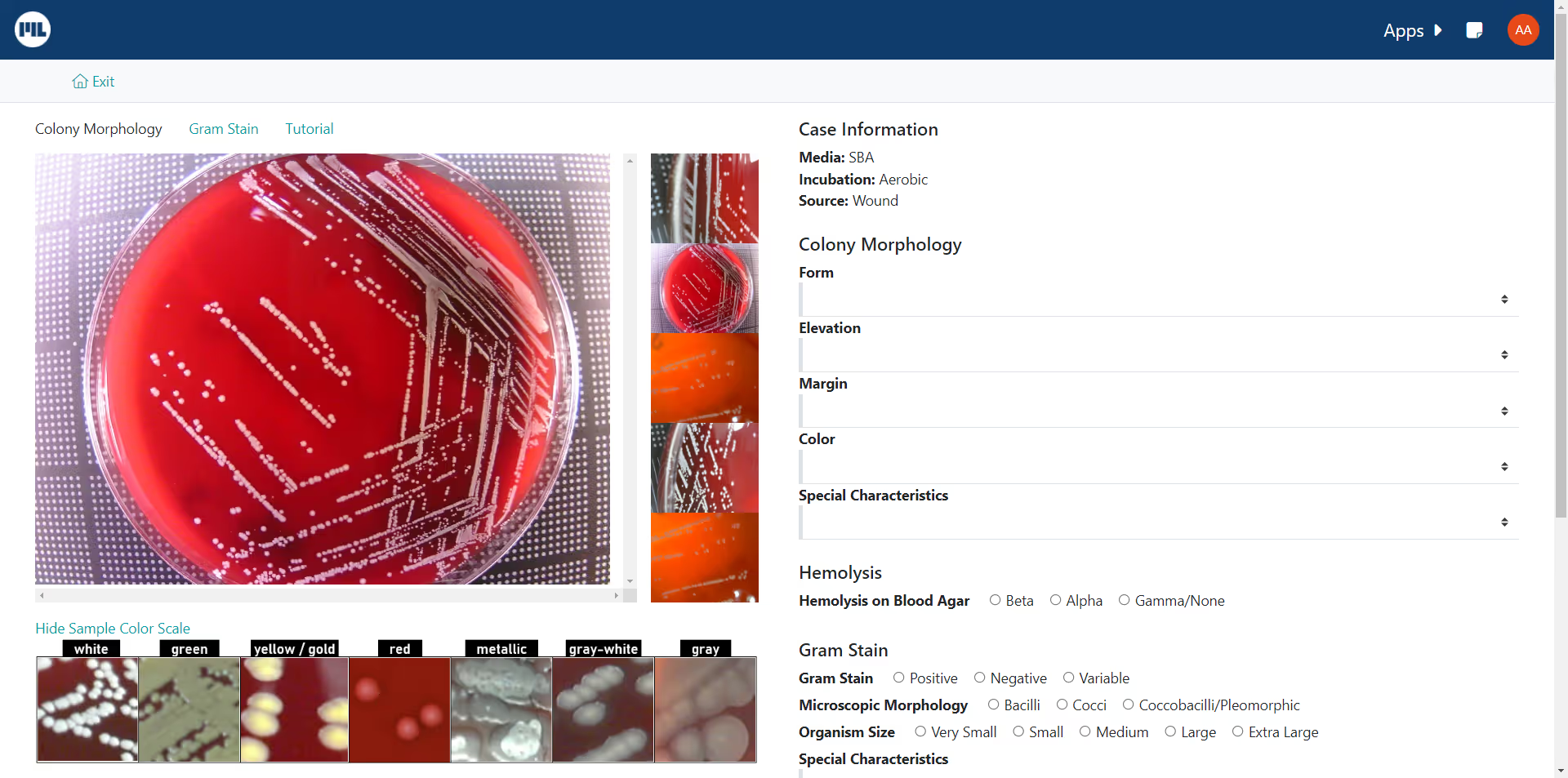
The Bacteriology Case Simulator enables laboratorians to practice identifying pathogens by observing colony morphology, performing Gram stains, and conducting biochemical tests in a controlled, virtual environment. It covers a wide spectrum of clinically relevant organisms, giving users hands-on experience in identifying bacteria that they may encounter in routine practice.
Example of Usage: In training, new hires can use the simulator to practice distinguishing between various bacterial species, such as differentiating Staphylococcus aureus from coagulase-negative Staphylococci. Remediation can focus on organisms commonly misidentified by employees, allowing targeted review and practice to strengthen weak areas. Competency assessments can use test mode to evaluate the staff’s ability to correctly identify unknown bacteria.
Blood Bank Case Simulator: Ensuring Safe Transfusions
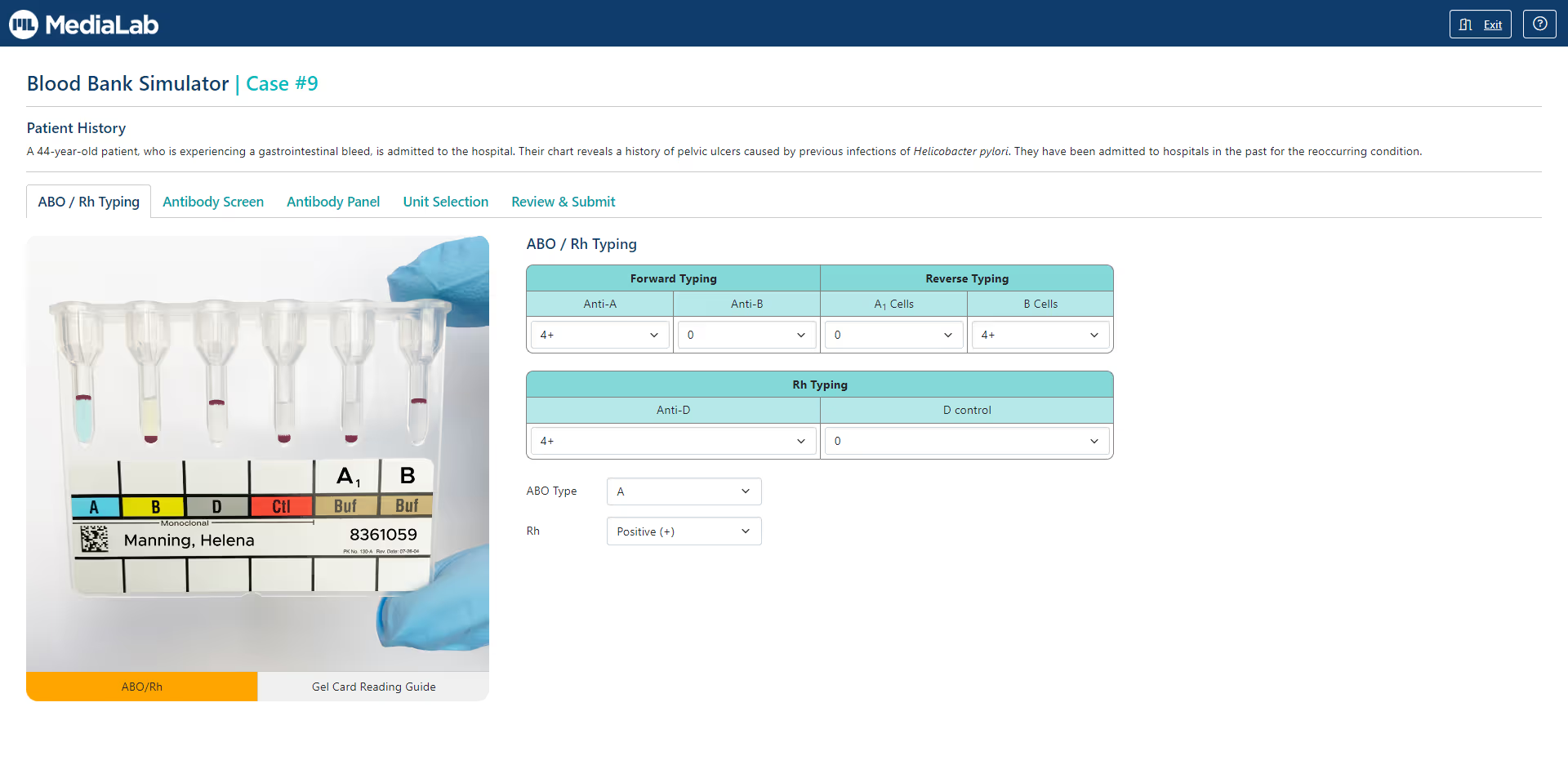
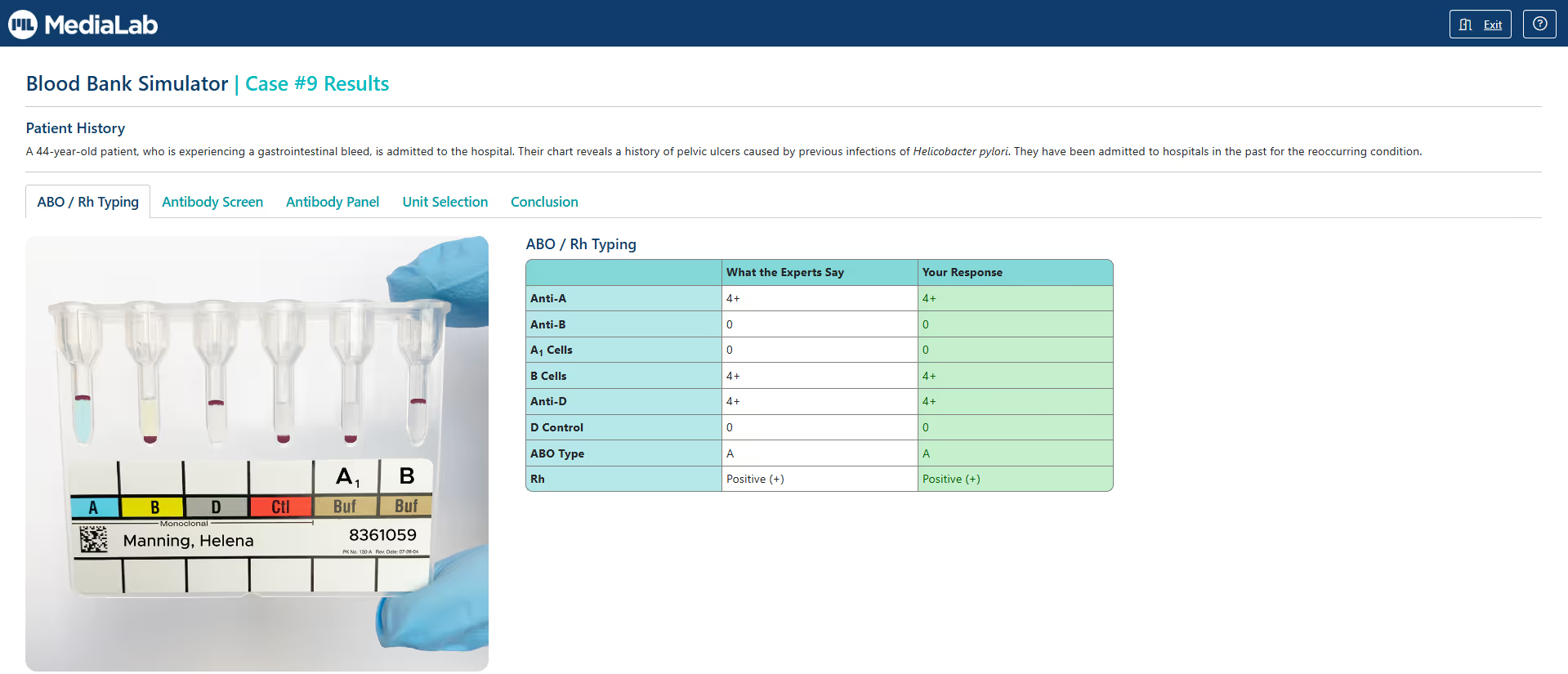
The Blood Bank Case Simulator provides 25 virtual case studies that encompass essential blood banking skills, such as ABO/Rh typing, antibody identification, and compatibility testing. It features gel card images and antibody panels, enabling employees to practice and be assessed on cases similar to real-life blood bank scenarios.
Example of Usage: During competency assessments, staff can complete cases in test mode, simulating real work environments. Training sessions can use review mode to allow less experienced staff to access resources, practice reading gel cards, and identify common antibodies. For remediation, supervisors can assign cases that cover specific antibodies that may have been previously misidentified.
Blood Culture Gram Stain Case Simulator: Enhancing Gram Stain Interpretation
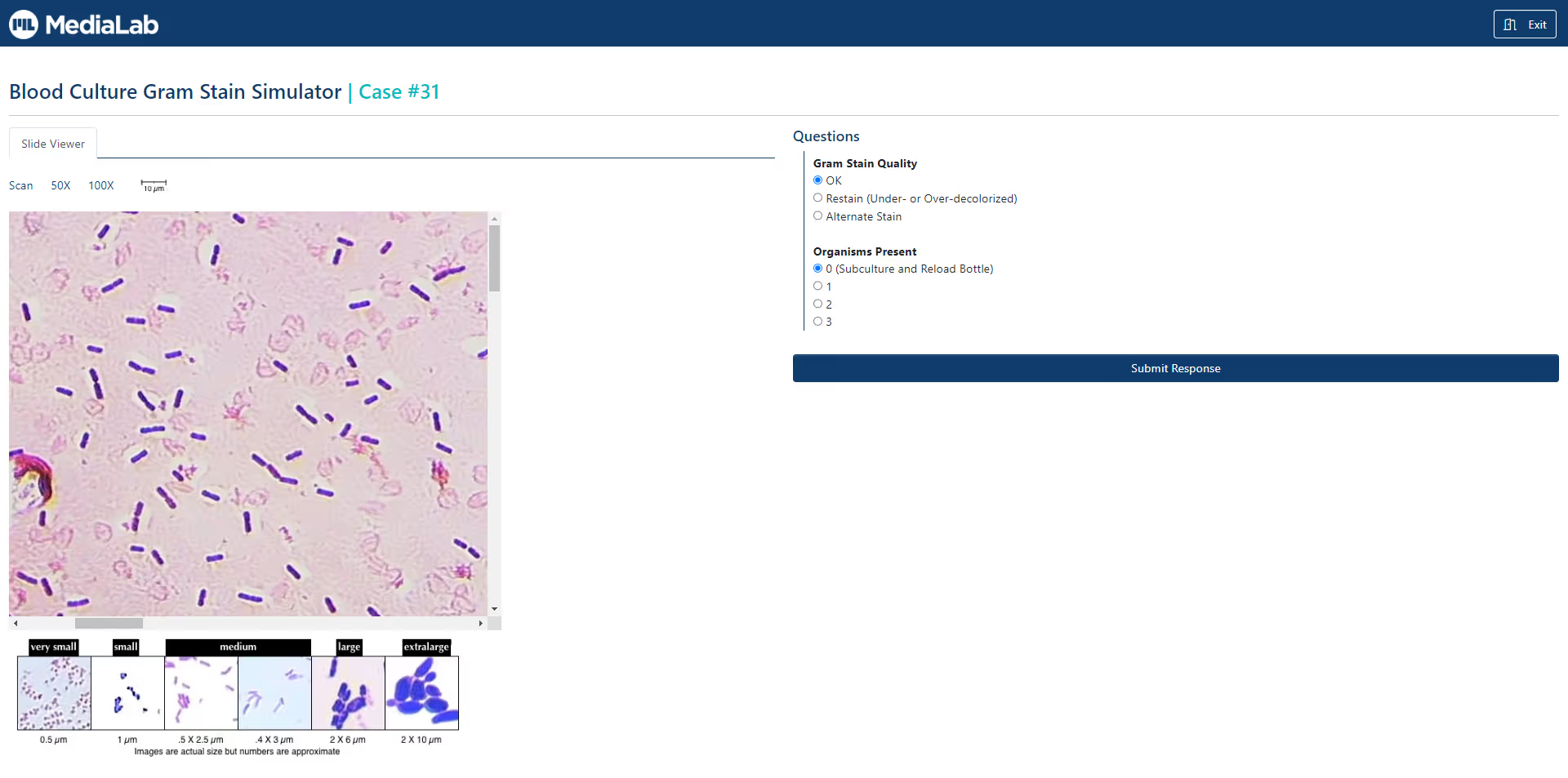
The Blood Culture Gram Stain Case Simulator offers more than 70 cases of positive blood culture Gram stains, covering organisms like aerobic and anaerobic bacteria, mycobacteria, and yeast. This simulator allows medical laboratory professionals to practice Gram stain interpretation at varying magnifications, assessing both the stain quality and organism morphology. Expert videos accompany each case, providing valuable guidance.
Example of Usage: For new employees in microbiology, the simulator can serve as a practical training tool to become proficient in Gram stain interpretation. Competency assessments can involve cases with mixed organisms, testing the staff’s ability to identify complex samples. In cases where staff have struggled with Gram stain interpretation, targeted remediation using specific cases can reinforce accurate identification techniques.
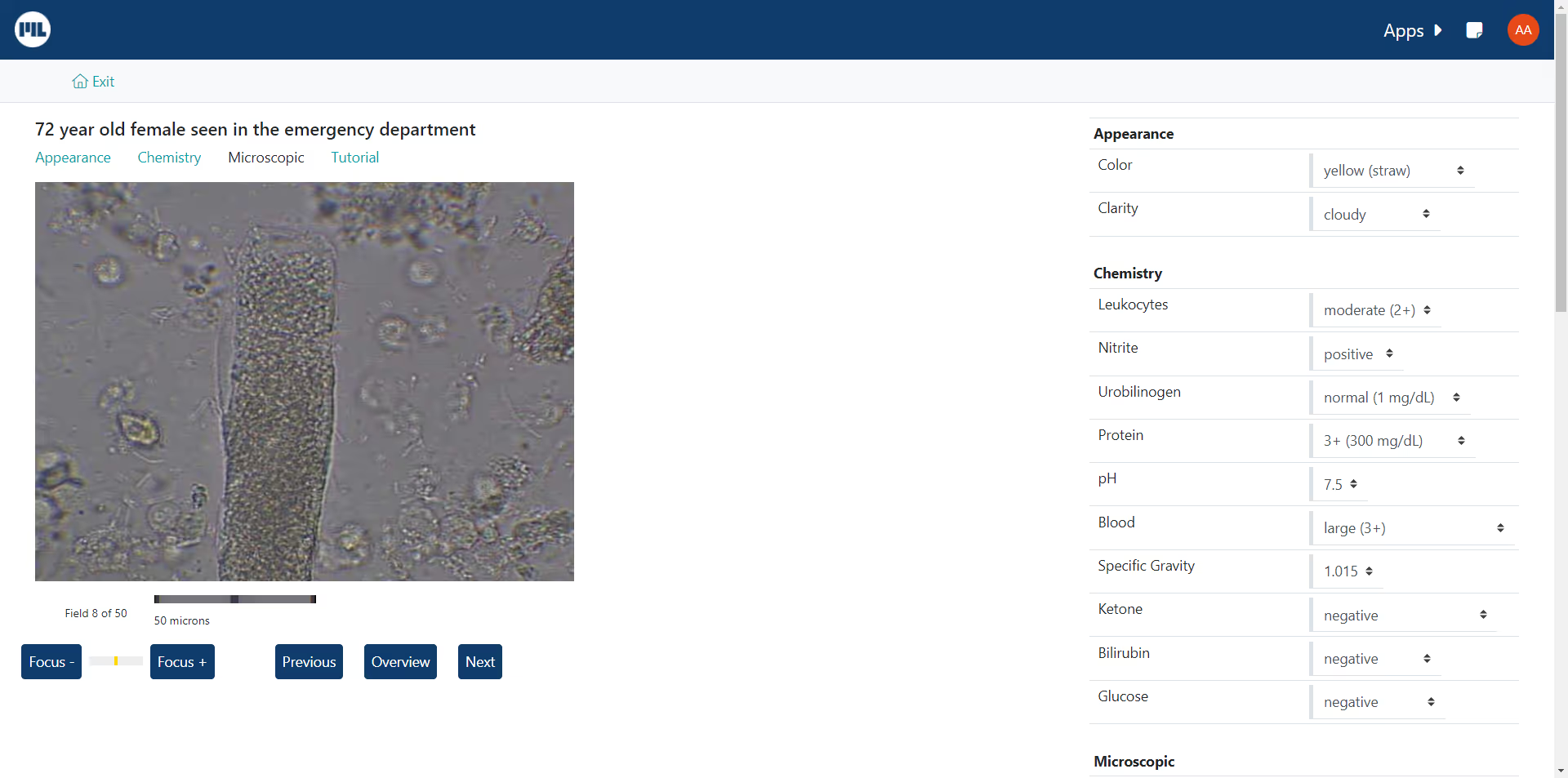
Urinalysis Case Simulator: Mastering Urine Sediment Analysis
The Urinalysis Case Simulator offers 30 cases and 50 images per case to help laboratory professionals identify urinary elements, including casts, crystals, and cells. Developed with expert collaboration, it provides comprehensive video summaries for each case, making it an excellent resource for training and competency evaluation.
Example of Usage: In training, employees can gain experience recognizing cellular elements. During competency assessment, cases with similar elements can be used to confirm the employee’s ability to accurately recognize, identify, and report findings. For staff needing remediation, the simulator provides an opportunity to practice analyzing samples with elements that may have previously been misidentified.
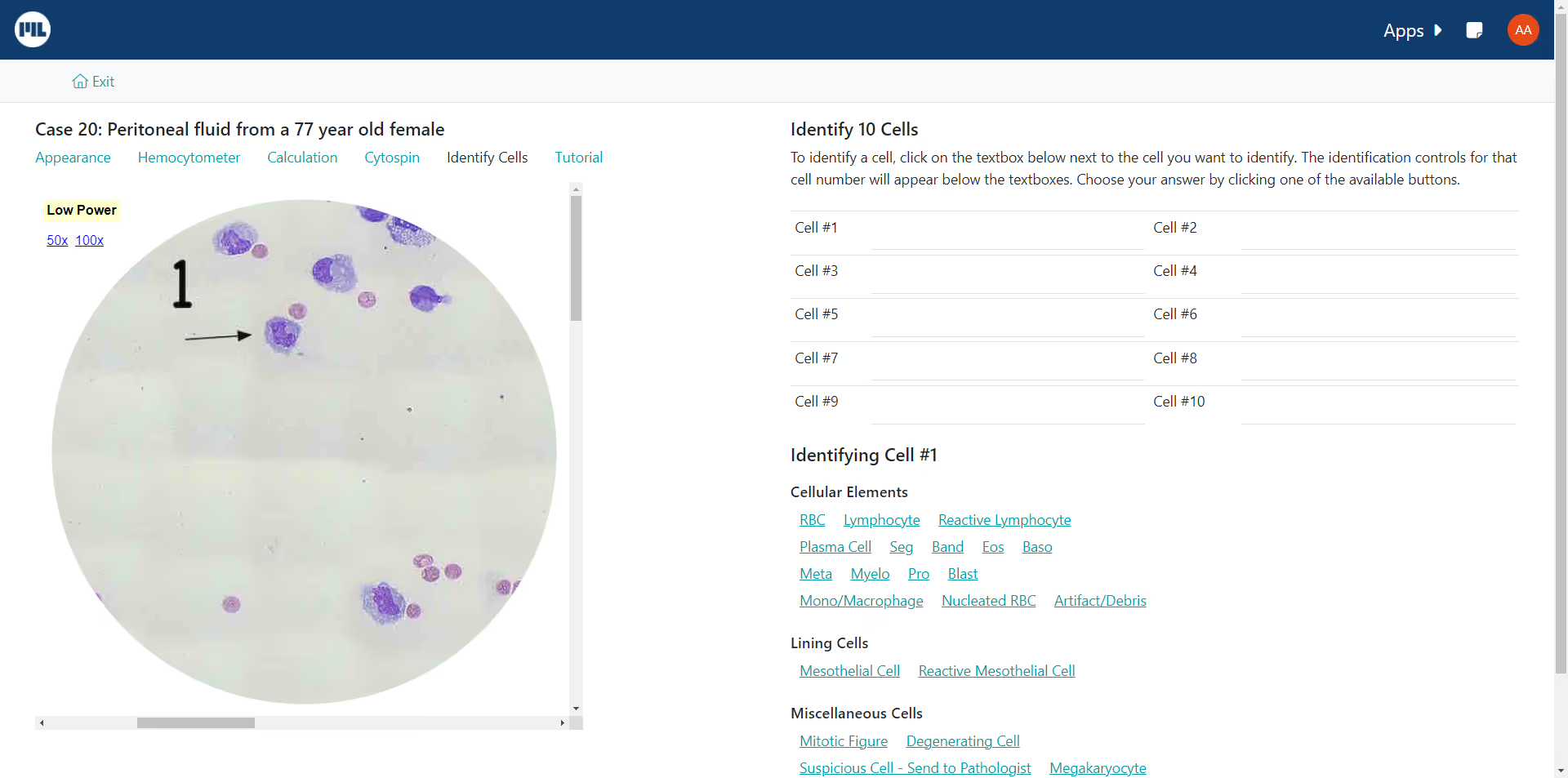
Body Fluid Case Simulator: Developing Proficiency in Body Fluid Analysis
The Body Fluid Case Simulator is designed to improve skills in analyzing peritoneal and pleural fluids. This simulator covers essential tasks such as hemocytometer cell counting and cell identification, with 30 cases featuring expert-reviewed summaries and video analyses.
Example of Usage: In training sessions, new hires can learn to identify and count cells, while remediation can focus on cell types that staff may have difficulty distinguishing, such as differentiating between benign reactive cells and malignant cells. Competency assessments can use cases with varying cell counts and types to evaluate overall accuracy and proficiency.
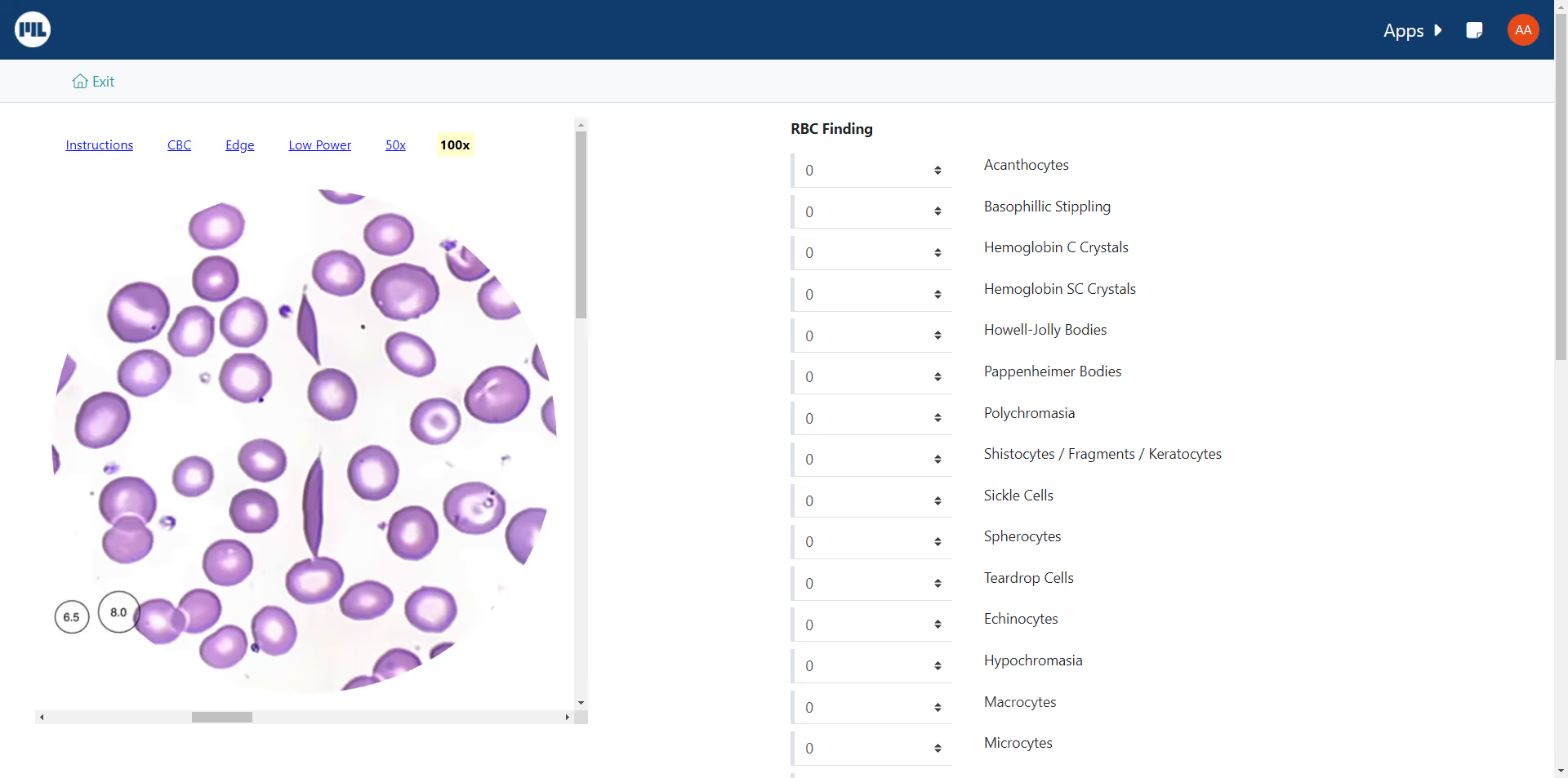
Red Blood Cell Morphology Case Simulator: Enhancing RBC Morphology Skills
With 25 cases highlighting diverse red blood cell (RBC) morphologies, the Red Blood Cell Morphology Case Simulator can be used to practice identifying RBC abnormalities in a virtual microscope setting, guided by expert-reviewed case details and video summaries.
Example of Usage: Laboratory professionals new to hematology can use this simulator to develop a strong foundation in recognizing RBC morphology. Competency assessments can use test mode to evaluate proficiency in detecting abnormal RBCs, while remediation can focus on cases featuring morphologies that may be challenging or easily overlooked.
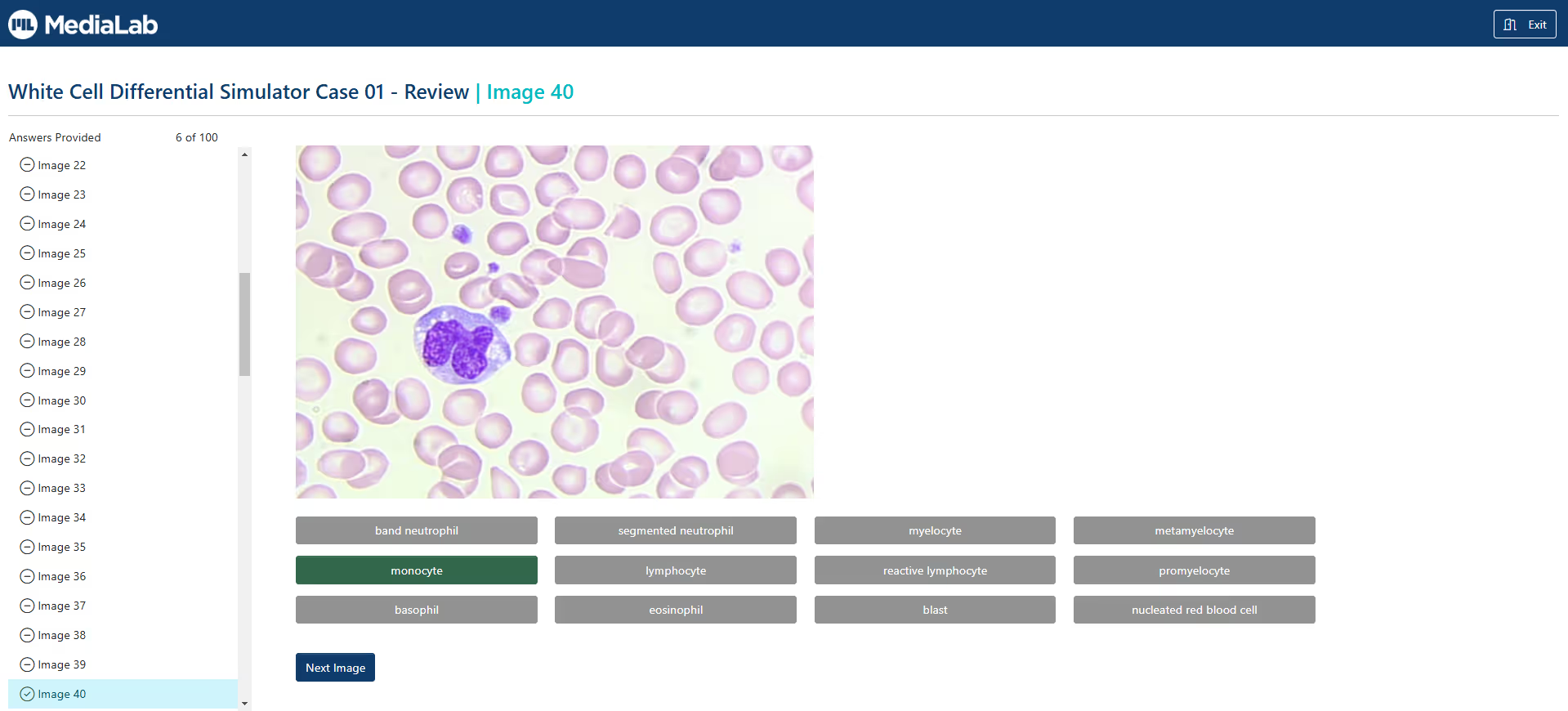
White Blood Cell Differential Simulator: Building WBC Identification Accuracy
The White Blood Cell Differential Simulator presents 25 cases, each with 100 images, to help users accurately identify various white blood cells (WBCs), from segmented neutrophils to blasts. Users receive feedback on misidentifications, making it highly effective for improving WBC identification skills.
Example of Usage: New hires can use the simulator in training mode to familiarize themselves with the basics of WBC identification. For competency assessments, staff can identify cells in test mode to demonstrate proficiency without external aids or references. Remediation can focus on cases that feature cells commonly misidentified by staff, ensuring targeted practice and improvement.
Advanced White Blood Cell Differential Simulator: Tackling Complex WBC Identification
The Advanced White Blood Cell Differential Simulator is designed for experienced laboratory professionals, with 12 cases and 1,200 images covering complex WBC types like blasts and immature granulocytes. It provides comprehensive reports that highlight strengths and areas for improvement, making it ideal for competency evaluations and advanced training.
Example of Usage: For experienced professionals undergoing annual competency assessments, this simulator offers cases with challenging WBCs to test their expertise. Remediation for advanced hematology staff can include cases with rare or difficult-to-identify WBCs, such as blasts, allowing focused practice on complex cell types that may be misidentified.

The Power of Virtual Lab Simulation in Laboratory Training and Competency
Simulators are invaluable tools for clinical laboratories, offering realistic, hands-on experience without the constraints of limited physical samples. MediaLab by Vastian's Virtual Case Simulators help laboratories uphold high standards by delivering structured training, targeted remediation, and realistic, scenario-based assessments across multiple laboratory disciplines. By incorporating these simulators into training and competency assessment programs, laboratories can ensure their staff are well-prepared to handle complex cases and contribute to the highest standards of patient care.